Opening up a living area to the outdoors is about more than picking a door that looks appealing. The mechanics behind it shape how the space actually functions day to day.
A proper bi-fold vs sliding doors comparison usually focuses on three things: how far you want the opening to clear, how much wall or stacking space you have, and how the doors perform when closed.
How Bi-Fold Doors Work
Bi-fold doors use two or more hinged panels that fold and stack to one or both sides of the opening, allowing the doorway to clear completely when fully open.
This makes them the only common bi-fold doors in NZ that give a fully unobstructed opening, since no panel sits across the doorway once they’re folded back.
If you’re weighing these benefits against a simpler option, compare single sliding doors in NZ before deciding, since they need no stacking space at all.
How Sliding Doors Work
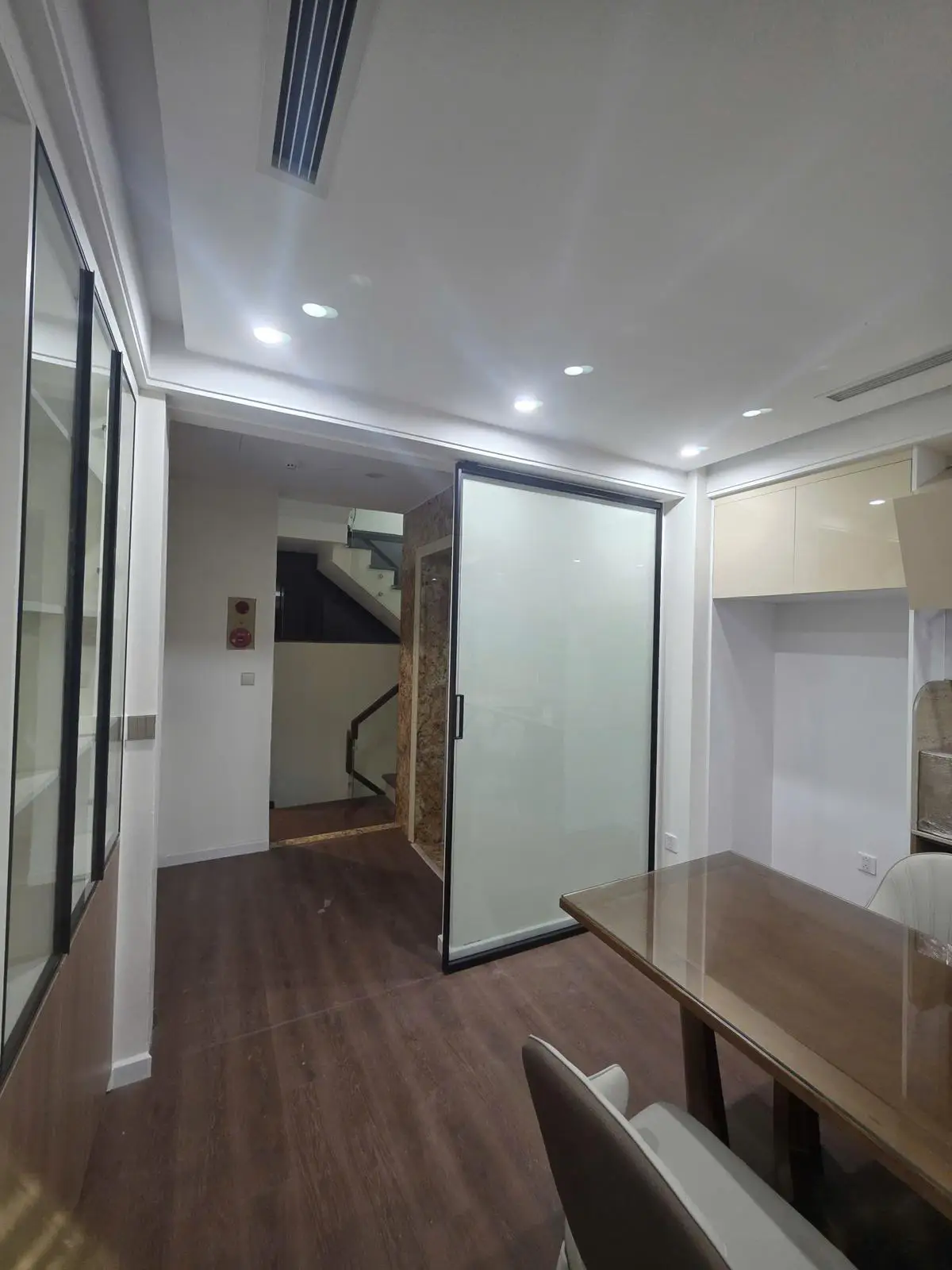
Sliding doors typically use larger glass panels running on a track, sliding sideways rather than folding, which keeps the mechanism simpler and the frame narrower.
Because the panels move flush along the wall rather than stacking outward, sliding doors generally open only about half or two-thirds of their total width unless you build in a cavity or wall pocket.
Any fair sliding door comparison against bi-fold needs to weigh this trade-off directly, since it shapes how far the opening can actually clear.
Comparing Indoor-Outdoor Flow and Opening Width
For a doorway that needs to disappear entirely, bi-fold wins on raw opening width. For a doorway that needs to stay unobstructed when shut, sliding doors generally offer a cleaner, narrower frame and fewer visible joins.
This trade-off sits at the centre of most indoor-outdoor flow door choices, since the “best” option really depends on which end of the equation matters more for a given room.
Space and Wall Clearance Considerations
Bi-fold panels need space to stack when open, whether along an adjacent wall or folded into a corner, so plan their placement in the layout from the start.
Sliding doors need less clearance in most cases, since the panel travels along the same wall line it sits in when closed, though a full cavity slider does need space built into the wall itself.
Style and Aesthetic Differences
Bi-fold doors suit larger openings and a more traditional, segmented look, with visible framing between each panel even when fully open.
Sliding doors lean towards a cleaner, more minimal look, especially with narrow-frame or cavity systems where the track and panel largely disappear when the door is open.
Weathertightness and Insulation Performance
Both door types can perform well when properly installed, but bi-fold doors have more seals and joints across multiple panels, creating more points where wear can eventually affect airtightness.
Sliding doors typically have fewer moving joints, which can simplify long-term sealing, though the track itself needs to stay clean and well-maintained to keep performance consistent over time.
Maintenance and Long-Term Durability
Bi-fold doors have more hinges, rollers, and folding points, so you need to check and adjust more components periodically to keep the panels moving smoothly over the years.
Sliding doors have fewer moving parts overall, which generally means less maintenance, though the track can collect dirt and debris that needs regular clearing to prevent the door from sticking.
Which Door Suits Which Room or Layout
A wide opening onto a deck or patio, where having a fully open wall is most important, tends to favour bi-fold doors. A narrower opening, or one where clean sightlines are important when the door is closed, usually suits sliding doors.
Choosing exterior doors for a specific room often comes down to how the space will actually be used rather than how impressive it looks in a photo.